
The Fascinating Origins of Madeira Wine and Its Serendipitous Discovery
Madeira wine holds a unique place in the world of fortified wines, known for its rich flavors and remarkable longevity. Its discovery was not the result of deliberate invention but rather a fortunate accident that changed the course of wine history. This post explores how Madeira wine was discovered, the conditions that led to its creation, and how it became a treasured beverage across continents.
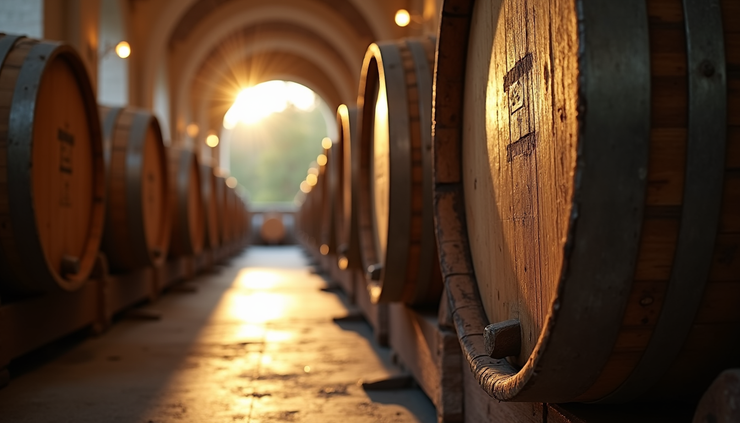
The Origins of Madeira Wine
Madeira wine comes from the Portuguese island of Madeira, located in the Atlantic Ocean. The island’s volcanic soil and mild climate create ideal conditions for growing grapes. The story of Madeira wine begins in the 15th century when Portuguese explorers started cultivating vineyards on the island.
The wine’s unique character emerged during the Age of Exploration. Madeira was a key stopover for ships traveling between Europe, Africa, and the Americas. Merchants and sailors needed durable wine that could survive long sea voyages without spoiling. This need set the stage for Madeira’s accidental discovery.
How Madeira Wine Was Discovered
The discovery of Madeira wine’s distinctive qualities happened by chance during shipping. When wine was transported in barrels on long sea journeys, the barrels were stored in the ship’s hold, where temperatures could rise significantly. The heat, combined with the constant movement of the ship, caused the wine to undergo a transformation.
The wine was fortified with grape spirits to preserve it, a common practice for wines intended for export. However, the real magic happened when the barrels were exposed to heat and agitation during the voyage. This process, later known as estufagem, caused the wine to develop complex flavors and remarkable stability.
Sailors and merchants noticed that the wine that had traveled to the New World and back tasted better than the wine stored on the island. This discovery led to intentional replication of the process, where Madeira wine was heated and aged to mimic the effects of the sea voyage.
The Role of Fortification and Heat
Fortification involves adding distilled grape spirits to wine to increase its alcohol content. This step was crucial in Madeira wine’s creation because it helped prevent spoilage during long trips. The higher alcohol content acted as a preservative, protecting the wine from bacteria and oxidation.
The heat exposure during shipping accelerated chemical reactions in the wine, such as oxidation and caramelization of sugars. These reactions gave Madeira wine its signature nutty, caramel, and smoky notes. The wine’s color deepened, and its flavor profile became richer and more complex.
This combination of fortification and heat aging made Madeira wine one of the most durable wines in the world. It could survive extreme conditions and remain drinkable for decades, even centuries.
Early Uses and Popularity
Madeira wine quickly gained popularity among sailors, traders, and settlers in the New World. Its durability made it a preferred choice for long voyages and colonial outposts. The wine was often used for celebrations, religious ceremonies, and as a valuable trade commodity.
Historical records show Madeira wine was present at significant events in American history. For example, it was reportedly served at the signing of the Declaration of Independence in 1776. Its presence at such moments highlights the wine’s importance beyond just a beverage—it was part of cultural and political history.
The Legacy of Madeira Wine’s Discovery
The accidental discovery of Madeira wine’s aging process changed how wine was produced and preserved. It inspired winemakers to experiment with heat aging and fortification techniques. Madeira wine remains a symbol of resilience and innovation in winemaking.
Today, Madeira wine is still produced using traditional methods that honor its origins. The island’s winemakers continue to use heat aging and fortification to create wines that reflect centuries of history and craftsmanship.
Madeira wine’s story shows how chance and necessity can lead to remarkable discoveries. From barrels heated in ship holds to celebrated tables in history, Madeira wine’s origins remind us that sometimes the best things happen unexpectedly. For those interested in wine history or unique flavors, exploring Madeira wine offers a taste of adventure and tradition.


Comments